
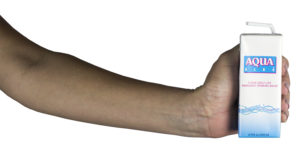
200 ml | 6.75 oz
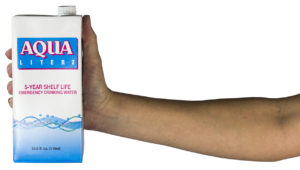
1,000 ml | 33.8 oz


Your Trusted Brand for Over 20 Years!
Aqua Blox, an experienced solutions based company, manufactures, and distributes Aqua Blox and Aqua Literz. Our extended 5-Year and
NEW 10-Year Shelf-Life drinking water products are specifically designed for emergency preparedness use and immediate consumption.
Our Customers
Proud Supplier to: FEMA, NASA, U.S. Department of Homeland Security
Call Us Today 1-888-597-2782
WHAT OUR CUSTOMERS HAVE TO SAY …
“Thanks to you and your team! The guys worked with our project crew team very effectively to off load the water. Thank you for helping us reach our preparedness goals.” – L. P., Stanford University